
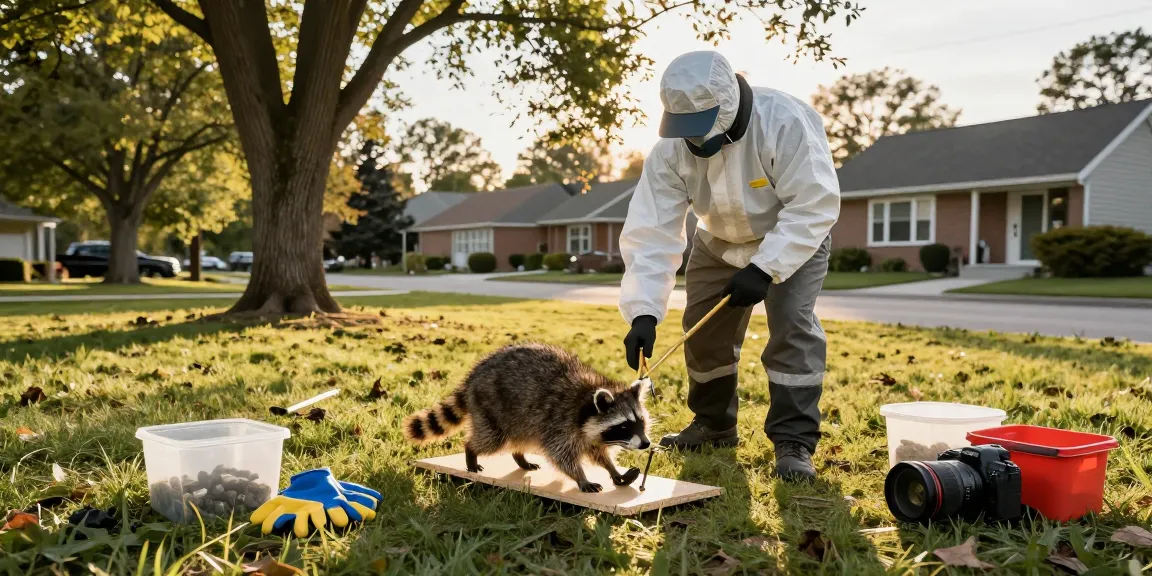
Understanding Raccoon Behavior and Habitats
Raccoons are fascinating creatures known for their intelligence and adaptability, traits that have allowed them to thrive in urban environments like Toronto. Understanding their behavior and habitats is crucial for effective raccoon removal. When exploring options, Raccoon Removal Toronto provides comprehensive insights into managing these animals properly.
Common Raccoon Habitats in Toronto
In Toronto, raccoons can be found in a variety of habitats, primarily due to their opportunistic nature. Urban areas offer plentiful food sources and shelter, making them ideal for raccoons. They often reside in:
- Attics and rooftops: Raccoons frequently enter homes through openings, leading to infestations in attics.
- Garages and basements: These areas can provide shelter and easy access to food.
- Parks and green spaces: Urban parks with abundant trees and waste bins attract raccoons seeking food.
Signs of Raccoon Infestation
Identifying a raccoon infestation early can prevent more significant issues down the line. Common signs include:
- Nocturnal noises: Raccoons are active at night, so sounds like scratching or scurrying can indicate their presence.
- Droppings and footprints: Raccoon feces are often found near food sources, while their distinctive paw prints can help homeowners identify them.
- Damaged property: Raccoons can cause significant damage to roofs and siding while trying to gain entry.
Behavioral Patterns to Note
Raccoons are known for their dexterous front paws, allowing them to open containers and doors. Their intelligence is evident in their ability to learn from experiences, making them difficult to deter. Additionally, raccoons tend to live in family groups, which can exacerbate infestations if left unaddressed.
Cost Analysis of Raccoon Removal in Toronto
The cost of raccoon removal in Toronto can vary greatly depending on several factors. Understanding these costs is essential for homeowners facing an infestation.
Factors Affecting Raccoon Removal Costs
Several elements contribute to the overall cost of raccoon removal:
- Severity of the infestation: A larger family group or severe damage will require more intensive removal efforts.
- Location: Urban settings may lead to higher costs due to the complexity of accessing certain areas.
- Type of service required: Emergency visits or specialized traps may incur additional charges.
Average Cost Breakdown for Services
On average, homeowners in Toronto can expect to pay between $300 and $1,500 for professional raccoon removal services. This range typically includes:
- Inspection and assessment of the property.
- Humane trapping and removal of the raccoons.
- Exclusion services to prevent future infestations.
- Repair costs for any damage caused by the raccoons.
Cost vs. DIY: What You Need to Consider
While DIY raccoon removal might seem like a cost-effective solution, it can often lead to more significant challenges and expenses. Homeowners should consider:
- The risks involved in handling wildlife.
- The effectiveness of commercial traps versus professional experience.
- Potential legal implications of relocation without a permit.
Humane Raccoon Removal Techniques
Humane removal practices are essential not only for the safety of raccoons but also for compliance with wildlife protection laws in Ontario. Employing the right techniques can ensure a smooth removal process.
Best Practices for Safe Capturing
To safely capture raccoons, professionals typically use:
- Live traps: These traps allow for the safe capture of raccoons without harming them.
- Baiting techniques: Using foods like cat food or marshmallows can attract raccoons to traps effectively.
- Regular monitoring: Checking traps frequently minimizes stress for the captured animal.
Legal Considerations for Wildlife Removal
In Toronto, specific regulations govern the removal of raccoons. It is essential to:
- Consult local wildlife laws regarding the relocation of raccoons.
- Obtain any necessary permits.
- Work with licensed wildlife control companies to avoid legal issues.
Post-Capture Care and Relocation
Once captured, raccoons should be transported to a suitable release site away from human habitation. In addition to legal considerations, professionals often follow proper guidelines for:
- Minimizing stress during transportation.
- Ensuring the chosen location can support the relocated raccoon.
- Monitoring the release area for any signs of re-infestation.
Preventive Measures for Raccoon Infestations
Preventing raccoon infestations is key to maintaining a safe and secure home environment. Implementing effective measures can significantly reduce the risk of future problems.
How to Secure Your Property
Homeowners should take proactive steps to secure their property against raccoons, including:
- Sealing entry points: Inspect roofs, attics, and basements for potential entry points and seal them securely.
- Storing food properly: Use raccoon-proof containers for garbage and pet food.
- Removing attractants: Clear out bird feeders and fallen fruits from yards to discourage raccoons.
Effective Deterrents for Raccoons
Employing deterrents can further aid in keeping raccoons at bay:
- Motion-activated devices: Lights and sprinklers can scare raccoons away when they approach.
- Strong scents: Commercial repellents or natural deterrents like vinegar can make areas less appealing.
Community Strategies to Reduce Raccoon Populations
Community efforts can significantly impact local raccoon populations. These strategies include:
- Public education campaigns: Informing residents about proper waste disposal and property security.
- Collaboration with local wildlife agencies: Working together to monitor and manage raccoon populations effectively.
Future Trends in Wildlife Control for 2026
The future of wildlife control, particularly regarding raccoons in urban areas, is evolving with advancements in technology and regulatory changes. Staying informed about these trends can help homeowners make better decisions.
Innovative Technologies in Wildlife Management
As we move toward 2026, several technologies are emerging in wildlife management:
- Remote monitoring systems: Cameras can help track wildlife movements and assess potential threats.
- Smart traps: Innovations that allow for real-time alerts when a raccoon is caught.
Regulatory Changes You Should Know
Anticipated regulatory changes could impact how raccoon removal is approached, including:
- Increased protection laws for wildlife will influence removal practices.
- Changes in licensing for wildlife control companies may also occur.
Predicted Trends in Urban Wildlife Interactions
Urban wildlife interactions are expected to increase due to expanding city landscapes. Homeowners may see more raccoons venturing into populated areas, necessitating:
- Adaptive management strategies that account for changing wildlife behaviors.
- Ongoing community engagement to promote coexistence.
What Are the Benefits of Professional Wildlife Control?
Employing professionals for raccoon removal offers several advantages:
- Expertise: Trained professionals have the knowledge to handle raccoons safely and effectively.
- Guaranteed results: Professional services often come with warranties, ensuring peace of mind.
- Long-term solutions: Experts can provide preventive measures to avoid future infestations.
How to Choose a Reliable Wildlife Control Company?
When selecting a wildlife control company, consider the following:
- Licensing and certifications: Ensure the company complies with local regulations.
- Reviews and testimonials: Research past client experiences and success rates.
- Comprehensive services: Look for companies that offer inspection, removal, and prevention strategies.
Can You Perform Raccoon Removal Yourself?
While some may consider DIY methods, raccoon removal poses significant risks. Homeowners should weigh the potential dangers against the benefits of hiring professionals. In most cases, effective and humane removal is best left to experienced experts.